Accessible Duomo di Siena Guide - Routes, Comfort, and Planning
Plan a more accessible Siena Cathedral visit with route sequencing, comfort breaks, and realistic expectations.
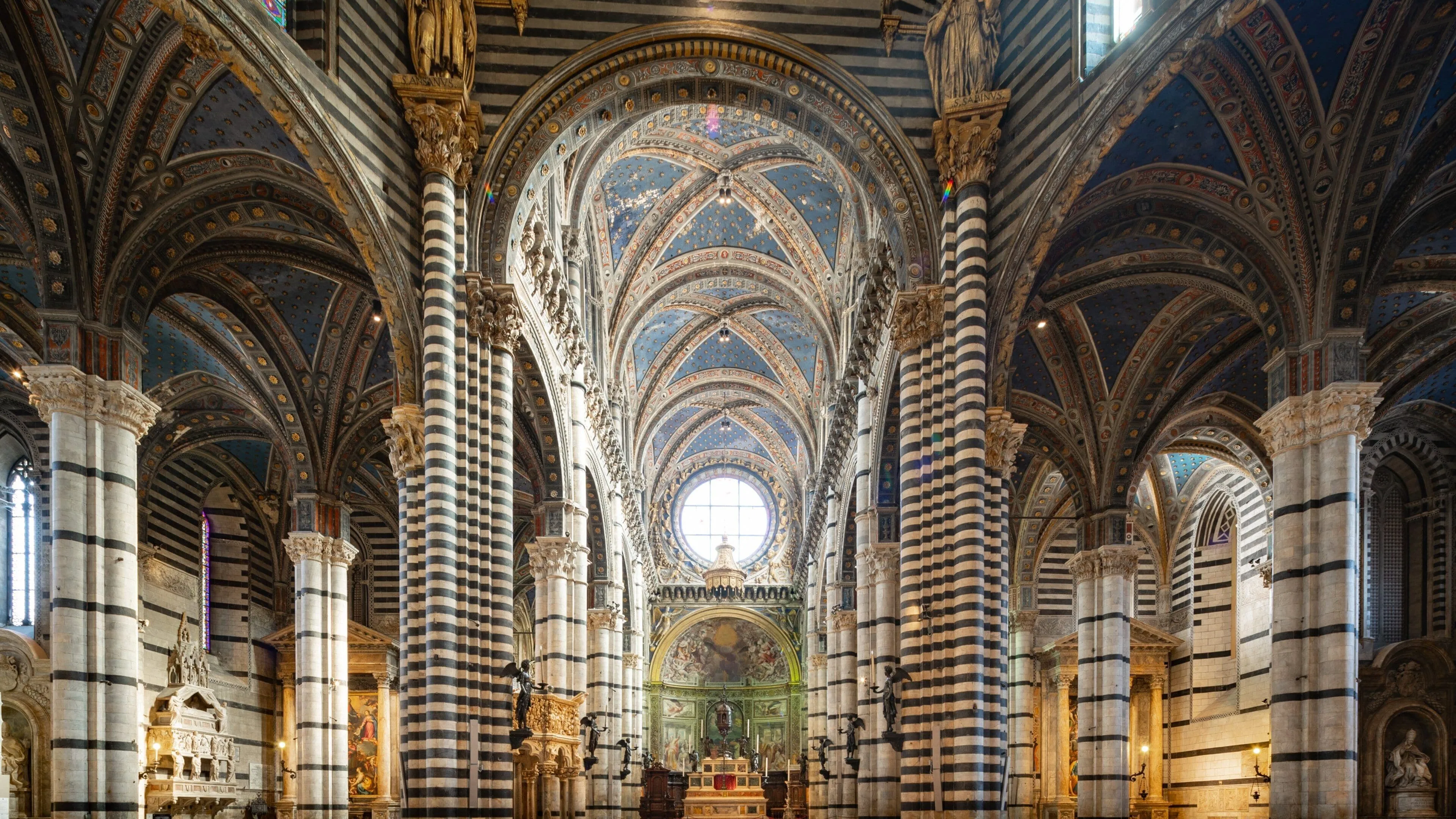
Accessibility planning is not a compromise; it is good travel design.
First principles
- Confirm current access routes directly with official channels.
- Build buffer time between stops.
- Prioritize quality over quantity.
Comfort-first sequence
- Core Duomo highlights
- Seated pause
- Piccolomini Library
- Optional additional site
Friction points to anticipate
| Potential issue | Mitigation |
|---|---|
| Uneven historic surfaces | Supportive footwear and slower transitions |
| Queue standing time | Early slot and digital ticket prep |
| Stairs in optional routes | Alternative site selection |
Communication tip
State your needs clearly at entry points; staff can often suggest better pathways.
A well-planned accessible route can be one of the most rewarding ways to experience Siena.
Comfort as narrative design
Think of accessibility planning as choreography. Good sequencing reduces stress, protects energy, and creates room for genuine attention. When the body is supported, perception improves.
Build your day around predictable anchors: entry time, seated break, hydration point, and one optional decision window. This structure makes the visit resilient if queues or route constraints change unexpectedly.
If traveling with companions, agree in advance on pacing signals and break triggers. Shared expectations prevent awkward pressure and help everyone remain present.
Practical dignity rule
Ask for support early, not after fatigue peaks. Early communication usually opens better alternatives and keeps the visit focused on experience rather than logistics.
关于作者

Siena Editorial Team
这份指南写给希望“真正读懂”锡耶纳大教堂的旅行者:不仅看见建筑本身,也看见它背后的历史语境与城市气质。目标很简单:帮助你理解每个空间的意义,让参观成为一段连贯而深刻的体验。
Tags
Comments (0)
Loading comments...